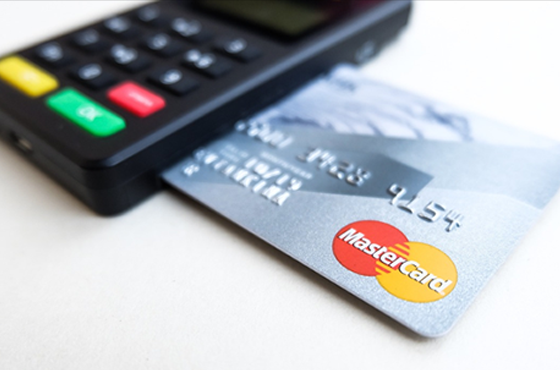
On Tuesday, the NC House Finance Committee approved a committee substitute bill for H 13, a bill that would regulate the amount a merchant may charge customers for payments by credit card or charge card to a maximum of 2% of the transaction (a prior version set the cap at 3%). If a merchant advertises that it imposes a charge for payments made by credit or charge card, the merchant would also be required to disclose the amount of the charge (for in-person transactions – at the point of entry and the point of sale; for online transactions – on the home page and webpage; for transactions over the phone – verbal disclosure).
A merchant would be allowed to offer discounts to induce payment by cash, check, or other means not involving the use of a credit card or charge card provided that the discount is offered to all prospective customers, and its availability is disclosed to all prospective customers. A merchant would be prohibited from charging for use of a credit card or charge card in lieu of another means of payment if at the time of transaction only credit cards or charge cards are accepted as payment by that merchant. A merchant violating these provisions would be subject to a $500 civil penalty.
We have seen a number of bills and new laws in other states also dealing with permissible surcharges by merchants. A lack of uniform national standards in this context is adding complexity for banks that provide merchant accounts on an interstate basis to process customer payments. The bill, which has now been referred to the House Rules Committee, was introduced in the House on January 29, 2025, and has yet to advance to the Senate.

Author: sdbrownlow
Student of Design